wizard of Tauranga
🏃
Ironman
- Thread starter
- #10,021
Interesting article about the realities of govt ownership that @MaybeTop8 is so passionate about:
The chief executive of Air India has pledged to restore national pride in the country’s flag carrier after it entered “terminal decline” following seven decades of state ownership.
Campbell Wilson, a New Zealander, said Air India had received “no investment in aircraft, in people or in technology” under its state owners, who had brought the airline to its knees by the time it was sold to Tata Group, the owner of Jaguar Land Rover.
Mr Wilson said: “There were 30 planes on the ground because there was no money for spare parts, so there were too many staff for the size of the airline, which bred inefficiency and complacency.
“No new non-flying staff had been recruited since 1999, so the average employee age was 54 with a retirement age of 58. There were no job descriptions, no metrics, no reward for good performance and no consequences for bad performance.
“Promotion was based on tenure, not talent. There was no revenue management. In short, it was the antithesis of what you want from a modern business. It was in terminal decline.”
As a “state-owned behemoth” not expected to turn a profit, it acted as “a spoiler in the system,” stymying the development of would-be rivals unable to survive in its shadow, he said.
Sound familiar with the abysmal record of our state services? Kiwirail???
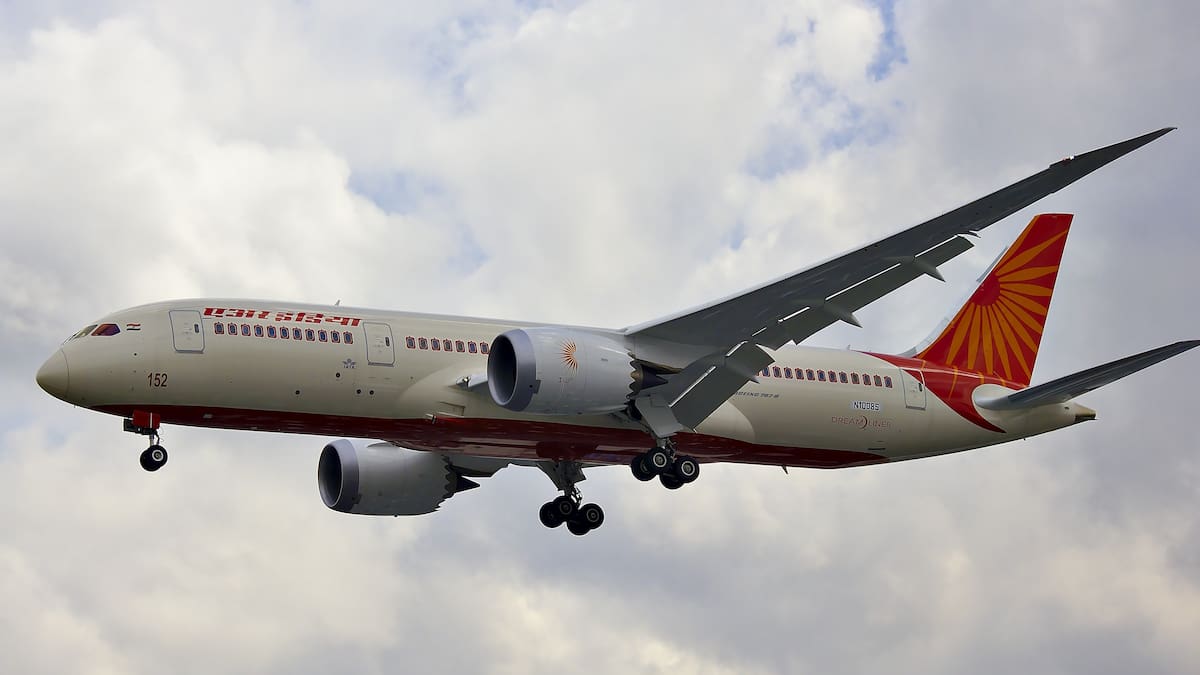
 www.nzherald.co.nz
The chief executive of Air India has pledged to restore national pride in the country’s flag carrier after it entered “terminal decline” following seven decades of state ownership.
Campbell Wilson, a New Zealander, said Air India had received “no investment in aircraft, in people or in technology” under its state owners, who had brought the airline to its knees by the time it was sold to Tata Group, the owner of Jaguar Land Rover.
Mr Wilson said: “There were 30 planes on the ground because there was no money for spare parts, so there were too many staff for the size of the airline, which bred inefficiency and complacency.
“No new non-flying staff had been recruited since 1999, so the average employee age was 54 with a retirement age of 58. There were no job descriptions, no metrics, no reward for good performance and no consequences for bad performance.
“Promotion was based on tenure, not talent. There was no revenue management. In short, it was the antithesis of what you want from a modern business. It was in terminal decline.”
As a “state-owned behemoth” not expected to turn a profit, it acted as “a spoiler in the system,” stymying the development of would-be rivals unable to survive in its shadow, he said.
Sound familiar with the abysmal record of our state services? Kiwirail???
New Zealander undertaking ‘the Everest of corporate turnarounds’
More at stake than mere profits in Campbell Wilson’s push to revive India’s flag carrier.