You mean like global internally as well?It's designed for global public consumption to embarrass there USA and Israel, doing a great job too..
Follow along with the video below to see how to install our site as a web app on your home screen.
Note: This feature may not be available in some browsers.
You mean like global internally as well?It's designed for global public consumption to embarrass there USA and Israel, doing a great job too..

If they want to, they would. VPNs mean anyone can access anything.Do you think the Iranian people get to see these clips or anything on U tube for that matter?
Unless the result of being caught is being hung from a craneIf they want to, they would. VPNs mean anyone can access anything.
My Persian mate has heard from his family 3x since the war started. Pretty shit for him and his family in Sydney.Do you think the Iranian people get to see these clips or anything on U tube for that matter?
If they want to, they would. VPNs mean anyone can access anything.
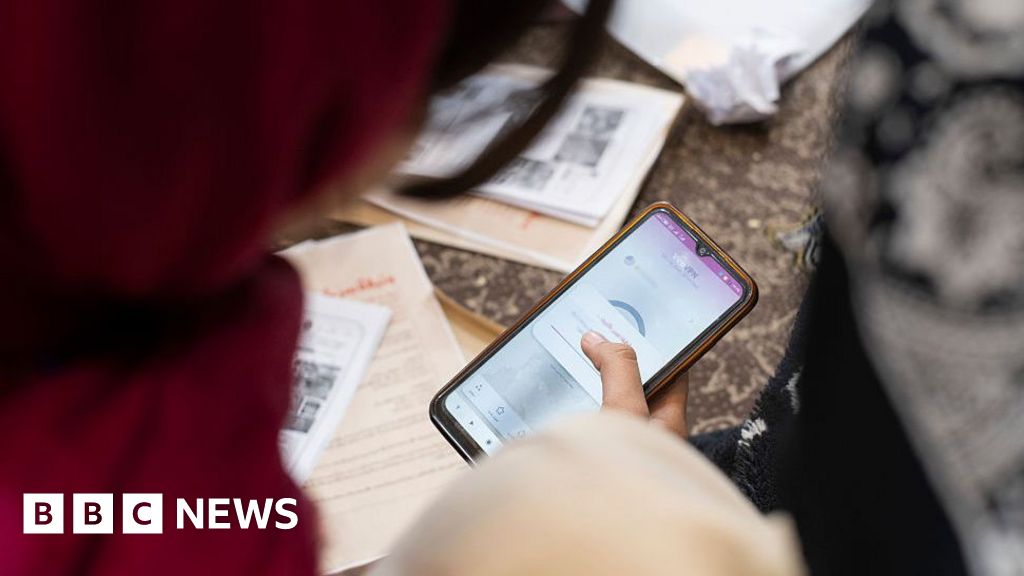
 www.bbc.com
Tell me how you can get caught using a VPN Rick... unless they are physically looking over your shoulder, pretty impossible.Unless the result of being caught is being hung from a crane
VPNs are relatively cheap and reliable and there is a plethora of choices these days. It isn't dangerous at all as long as you aren't blatant about it.How Iranians are evading internet blocks to contact family abroad
Iranians are finding tech-savvy ways to get through the regime's restrictions on phone and internet connections.
Cost and unreliability, plus total block means the network is down in its entirety plus as Rick said it is dangerous.

You’re trolling right?Tell me how you can get caught using a VPN Rick... unless they are physically looking over your shoulder, pretty impossible.

 www.facebook.com
No, but turns out my knowledge is outdated. I was thinking along the lines of the information being encrypted within the tunnel not realising ISP detection had gotten so aggressive. I'll take the L on that oneYou’re trolling right?
Ah you didn't read the article, the cost of a Gig of data in Iran currently is around the thirty $ US....the average wage is $100 a month.VPNs are relatively cheap and reliable and there is a plethora of choices these days. It isn't dangerous at all as long as you aren't blatant about it.
China would be similar and anecdotally it is fine.
But yes fair, no network at all would mean anything like that would be impossible.
Some Starlink equipment has been smuggled in to Iran but way more obvious and dangerous.

I'm so glad your old.You mean like global internally as well?
I know right? Think how long we have to wait for your cohort to die off. Totally unfairI'm so glad your old.
And your opinions will die soon.
I'll use the analogy of the Maquis in WW2. Everyone is on the same side until you aren't and there's a knock on the door.Tell me how you can get caught using a VPN Rick... unless they are physically looking over your shoulder, pretty impossible.
And I'll go with a smile on my face knowing you helped provide me with a fabulous life. Your opinions don't count either but your tax does.I'm so glad your old.
And your opinions will die soon.


Hideous. John key has a lot to answer for here too

Well, he did save someone's life, sort of. I'm surprised he wasn't a nomination for Medal Of Honour. Early days I guessEveryone sharing in the risk and the cost. Unless you have bone spurs.