juju
🔥
Streak Master
You need to stop relying on AI
and start relying on the far right social media algorithm !
Follow along with the video below to see how to install our site as a web app on your home screen.
Note: This feature may not be available in some browsers.
You need to stop relying on AI

I also wouldn't plan on visiting Trumpland anytime soon either if I was you.My AI thinks I’m a racist pos with all these questions I’m feeding it




Frank. You clearly live and thrive on bigotry, hatred, racism, lies and disinformation.
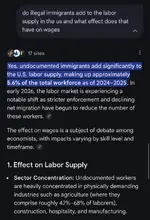
Yesterday you compared immigrants to slaves, but as we know slavery is forced labour or forced conditions. There’s no doubt that wages are likely low, with agriculture and construction being two areas I know that are highly represented by immigrant workers but the people are doing it willingly so slavery isn’t able to be attached to this as they aren’t being forced. If comparing it to slavery in terms of wages, the point stands, what Americans are going to fill these jobs at the same rate? Is extra money going to magically appear to pay higher wages to attract?
It gives people two seconds to enjoy noem punted until you learn more on this peckerheadThe current administration in a nutshell
View attachment 15561
The lady that shot her 14 month old dog that she trained poorly? So many DEI hires these daysIt gives people two seconds to enjoy noem punted
He was obviously identified as the correct character to really stir things up to be heading into retirement, I get the impression the approach is going to be to have gone in hard like they have to pave the way for people to be more accepting of what’s happening so long as the murders aren’t going with it like we’ve seen? We know aggressive is how this guy goes in his art of the deal mantra so it’ll be interesting to see what comes next?

I copy and paste your words into the search bar and make it into a question. Any retardation comes from the source. I will make sure to include the question from now on.@Tokyo Warrior nothing more disingenuous than hiding retarded questions you had to ask AI to get the answer you want.
We actually enjoy visiting Guam, but FX rates have made that untenable. Oh well!I also wouldn't plan on visiting Trumpland anytime soon either if I was you.
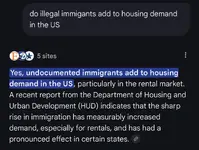
This was covered in my answer above. Yes, they add to demand at the lower end, but demand isn’t the main factor spiking prices in that market.

$38 trillion in US federal debt is not debt like you or I have. This is where people get tripped up. Even politicians, financial experts, and economists often treat sovereign Govt debt like a household mortgage or loan obligation. It is not, and I’ll break down why.It means they owe over $38 trillion and that’s more than any country by some way. The next country owing the most is China at over $18-19 trillion and collectively make up half the world’s debt. That’s the conundrum for America, if they piss too many countries off who own bonds and debt, they can make life very tricky, but unfortunately it’ll be the average American paying with the deep depression they’ll go into
No.If they piss too many countries off who own bonds, they can make life tricky.
 bsky.app